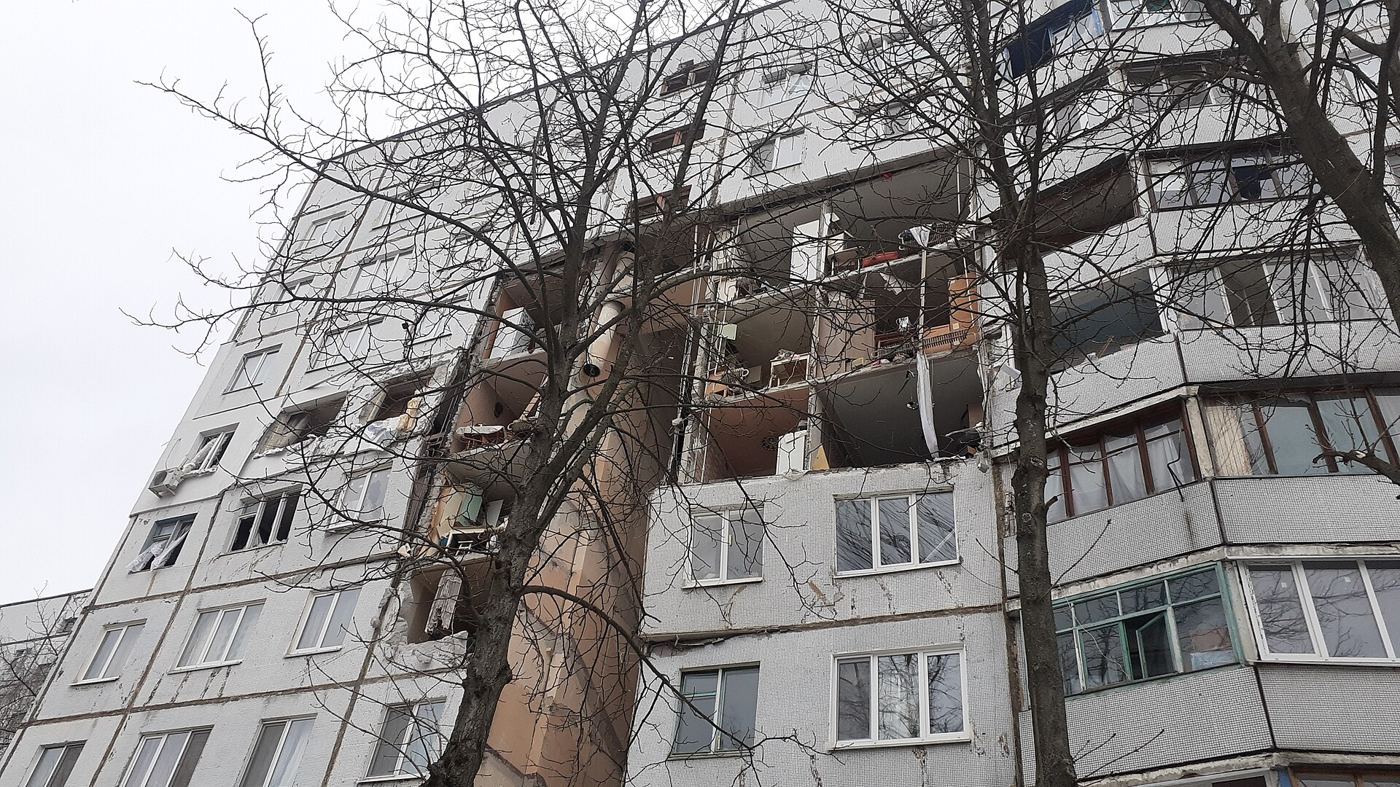
Russian strikes killed at least 15 people in Ukraine’s Kyiv region over the weekend of November 21 to 22 2026, according to Ukrainian officials. A Russian attack on Dymer, a town in the Kyiv region, killed at least 11 people, while separate strikes killed a child and a young woman in Kryvyi Rih, President Volodymyr Zelenskyy’s hometown, and damaged 25 apartment buildings, a hospital and schools. Ukrainian authorities also reported a large overnight drone assault involving 153 drones, including about 60 described as jet powered. The attacks came as Ukraine called for four way talks with Russia as soon as possible, and as Kyiv pressed Washington for clarity over Patriot missile deliveries.
What the Evidence Shows
The strikes are part of a sustained Russian campaign against Ukrainian cities and infrastructure that has continued through the autumn, with drones and missiles hitting homes, hospitals and schools. Ukraine has responded by striking Russian energy facilities in the Rostov, Perm and Tatarstan regions, and by pressing its allies for more air defences. The war, now in its fifth year, shows no sign of ending, with both sides trading blows while diplomats talk of negotiations. For civilians in Kyiv and other cities, the weekend attacks are a reminder that the war reaches into everyday life, with air raid sirens and power cuts now a routine part of the winter. Reporting and analysis from sources such as Associated Press track the same developments, and specialists following Russian strikes killing at least 15 in the Kyiv region say the direction is now consistent across independent lines of evidence.
The Wider Context
Regional and local reporting on Russian strikes killing at least 15 in the Kyiv region often tells a different story from national coverage, because the effects land unevenly: one town’s pilot is another’s distant proposal. Analysts who follow the subject full-time read the local data first, arguing that national averages conceal the variation that decides whether a policy or a project deserves to spread.
What Happens Next
The longer story of Russian strikes killing at least 15 in the Kyiv region is still being written by the people closest to it, whose experience rarely matches the earliest predictions of either supporters or critics. Reporting will continue to follow the evidence as it accumulates, including where it complicates today’s account. That is the deal serious coverage makes with its readers, and it holds for this subject as for any other. You can follow related developments in our coverage of news.
It is also worth remembering how quickly the picture in this area has changed before. Positions that looked settled a few years ago have been revised as new data arrived, and the same humility is appropriate now. The strongest coverage of this subject, and the most useful advice, tends to come from sources that update their views openly when the facts move, rather than defending an earlier position long after it has stopped fitting the evidence available.