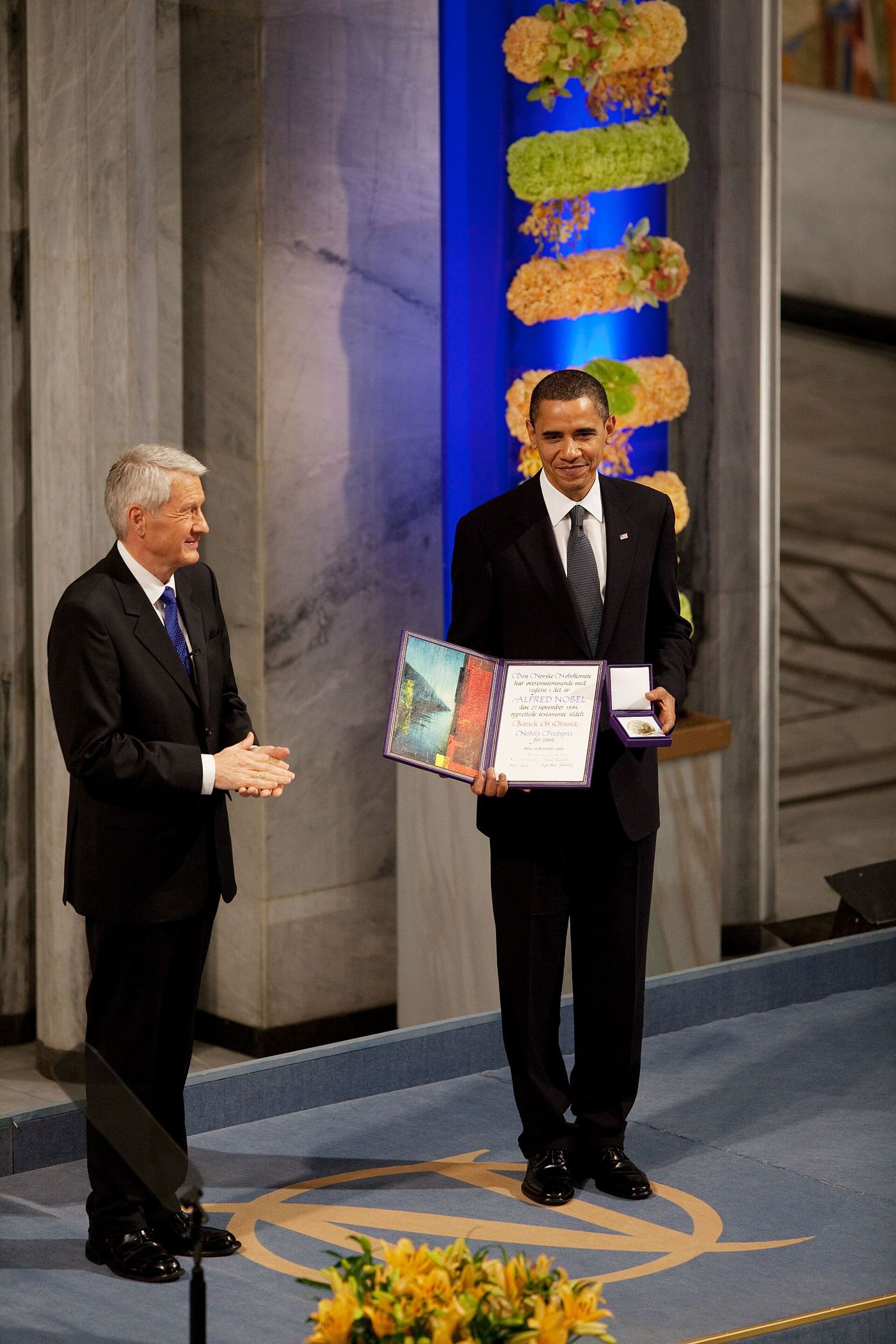
The 2025 Nobel Prize in Literature went to a writer many readers regard as the most uncompromising novelist alive. On 9 October 2025, the Swedish Academy announced that the prize would go to the Hungarian author Laszlo Krasznahorkai, aged 71, for his compelling and visionary oeuvre that, in the midst of apocalyptic terror, reaffirms the power of art. He is the first Hungarian to win the literature prize since Imre Kertesz in 2002, and only the second Hungarian winner ever. The award carries 11 million Swedish kronor, roughly 1.2 million dollars, and was presented at the ceremony in Stockholm on 10 December 2025, the anniversary of Alfred Nobel’s death. Krasznahorkai is best known for novels such as Satantango, published in 1985, and The Melancholy of Resistance, works built from vast, winding sentences that can run for pages, and for his long collaboration with the film director Bela Tarr, who turned Satantango into a celebrated seven-hour film.
What the Evidence Shows
Krasznahorkai’s books are not easy reading, and that is the point. His novels unfold in bleak, rain-soaked towns where conmen, crowds and collapsing certainties circle each other, and his sentences refuse to let the reader hurry, piling clause upon clause until a single thought becomes a landscape. The Swedish Academy described The Melancholy of Resistance as a feverish horror fantasy, and critics have long compared his apocalyptic vision to Kafka and Beckett, while noting the dark humour that runs beneath the gloom. He was among the favourites for the prize, and in his first interview after the announcement he urged people to read, saying that reading gives us more power to survive this very, very difficult time on Earth. For a writer who has spent forty years on the margins of the mainstream, the Nobel is both a vindication and a strange turn: the most difficult novelist of his generation is now, officially, the most honoured. Reporting and analysis from sources such as Associated Press track the same developments, and specialists following Krasznahorkai Nobel Prize Literature say the direction is now consistent across independent lines of evidence.
The Wider Context
Regional and local reporting on Krasznahorkai Nobel Prize Literature often tells a different story from national coverage, because the effects land unevenly: one town’s pilot is another’s distant proposal. Analysts who follow the subject full-time read the local data first, arguing that national averages conceal the variation that decides whether a policy or a project deserves to spread.
What Happens Next
The longer story of Krasznahorkai Nobel Prize Literature is still being written by the people closest to it, whose experience rarely matches the earliest predictions of either supporters or critics. Reporting will continue to follow the evidence as it accumulates, including where it complicates today’s account. That is the deal serious coverage makes with its readers, and it holds for this subject as for any other. You can follow related developments in our coverage of news.
It is also worth remembering how quickly the picture in this area has changed before. Positions that looked settled a few years ago have been revised as new data arrived, and the same humility is appropriate now. The strongest coverage of this subject, and the most useful advice, tends to come from sources that update their views openly when the facts move, rather than defending an earlier position long after it has stopped fitting the evidence available.