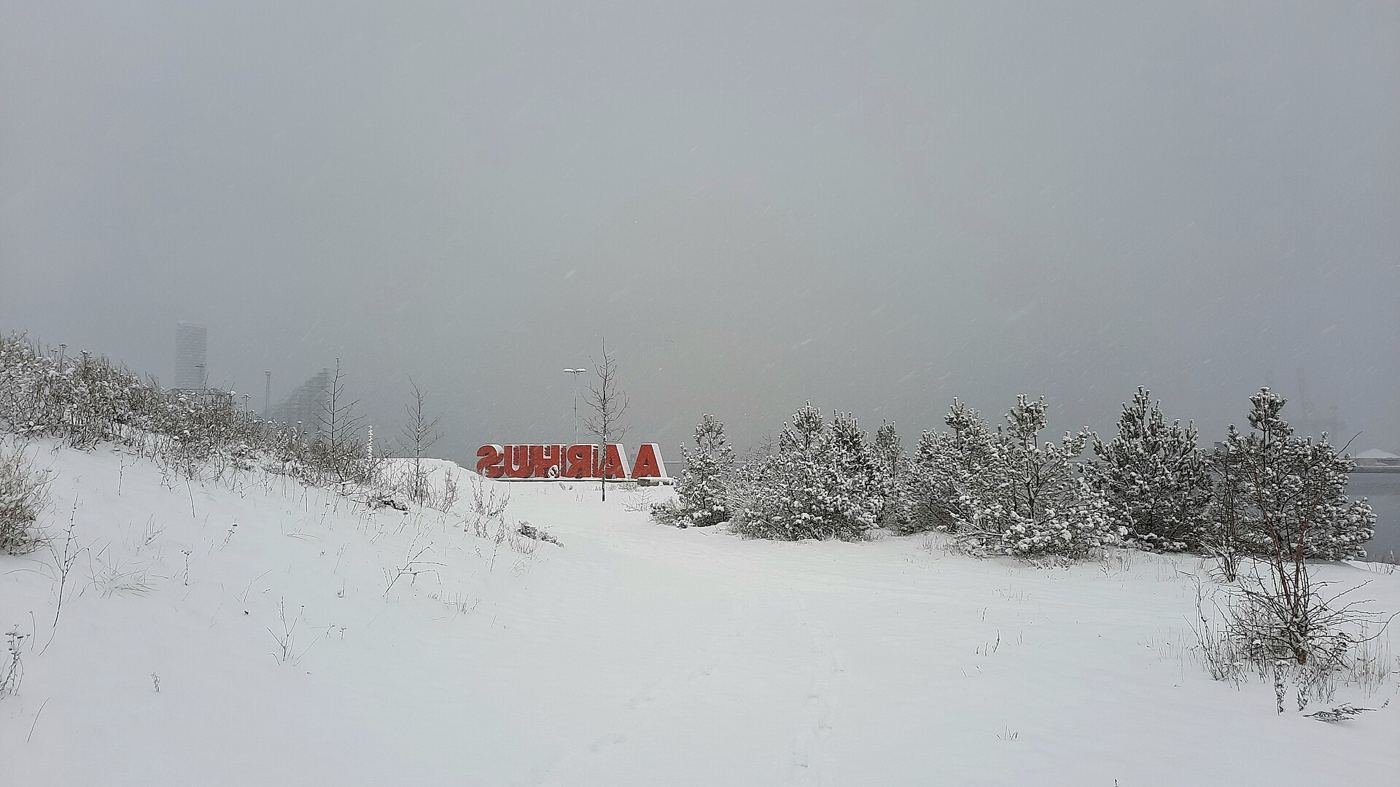
Winter storms test city services every year across northern regions, from snow clearance and road gritting to heating, transport and emergency care. Heavy snow can close schools, delay trains and buses, and leave roads dangerous for drivers, while ice and freezing rain bring down power lines and tree branches. City councils prepare by stocking salt, servicing snowploughs, checking shelters for homeless people and warning residents to keep medicines and food at home. Hospitals see more admissions for falls, breathing problems and heart strain in cold weather, and care workers check on older people living alone. Power companies watch demand closely, because heating use rises sharply on the coldest nights. When storms arrive together with strong winds, the damage can spread quickly, and recovery may take days rather than hours. Snow and ice can also damage roofs, burst water pipes and block drains, adding repair costs for homeowners, businesses and local councils alike.
What the Evidence Shows
Good preparation makes the difference between a difficult week and a crisis. Cities that clear main roads first, keep hospitals and emergency routes open, and communicate clearly about closures tend to cope better. Residents can help by clearing pavements near their homes, checking on neighbours, keeping phones charged and avoiding unnecessary travel during the worst weather. Employers are increasingly expected to allow home working when travel is unsafe, and schools need clear plans for closures that parents can rely on. Climate change is also changing winter patterns, with some regions seeing heavier snowfalls and others seeing more rain and ice instead. Planners now design for both extremes, because a city that prepares only for average winters will be caught out when an unusual storm arrives. Schools, hospitals and care homes need backup plans for power cuts, so that vulnerable people stay warm and safe during outages. Local radio and official websites often carry the latest advice, and residents are urged to follow updates before travelling. Reporting and analysis from sources such as Associated Press track the same developments, and specialists following winter storms city services say the direction is now consistent across independent lines of evidence.
The Wider Context
Regional and local reporting on winter storms city services often tells a different story from national coverage, because the effects land unevenly: one town’s pilot is another’s distant proposal. Analysts who follow the subject full-time read the local data first, arguing that national averages conceal the variation that decides whether a policy or a project deserves to spread.
What Happens Next
The longer story of winter storms city services is still being written by the people closest to it, whose experience rarely matches the earliest predictions of either supporters or critics. Reporting will continue to follow the evidence as it accumulates, including where it complicates today’s account. That is the deal serious coverage makes with its readers, and it holds for this subject as for any other. You can follow related developments in our coverage of news.
It is also worth remembering how quickly the picture in this area has changed before. Positions that looked settled a few years ago have been revised as new data arrived, and the same humility is appropriate now. The strongest coverage of this subject, and the most useful advice, tends to come from sources that update their views openly when the facts move, rather than defending an earlier position long after it has stopped fitting the evidence available.