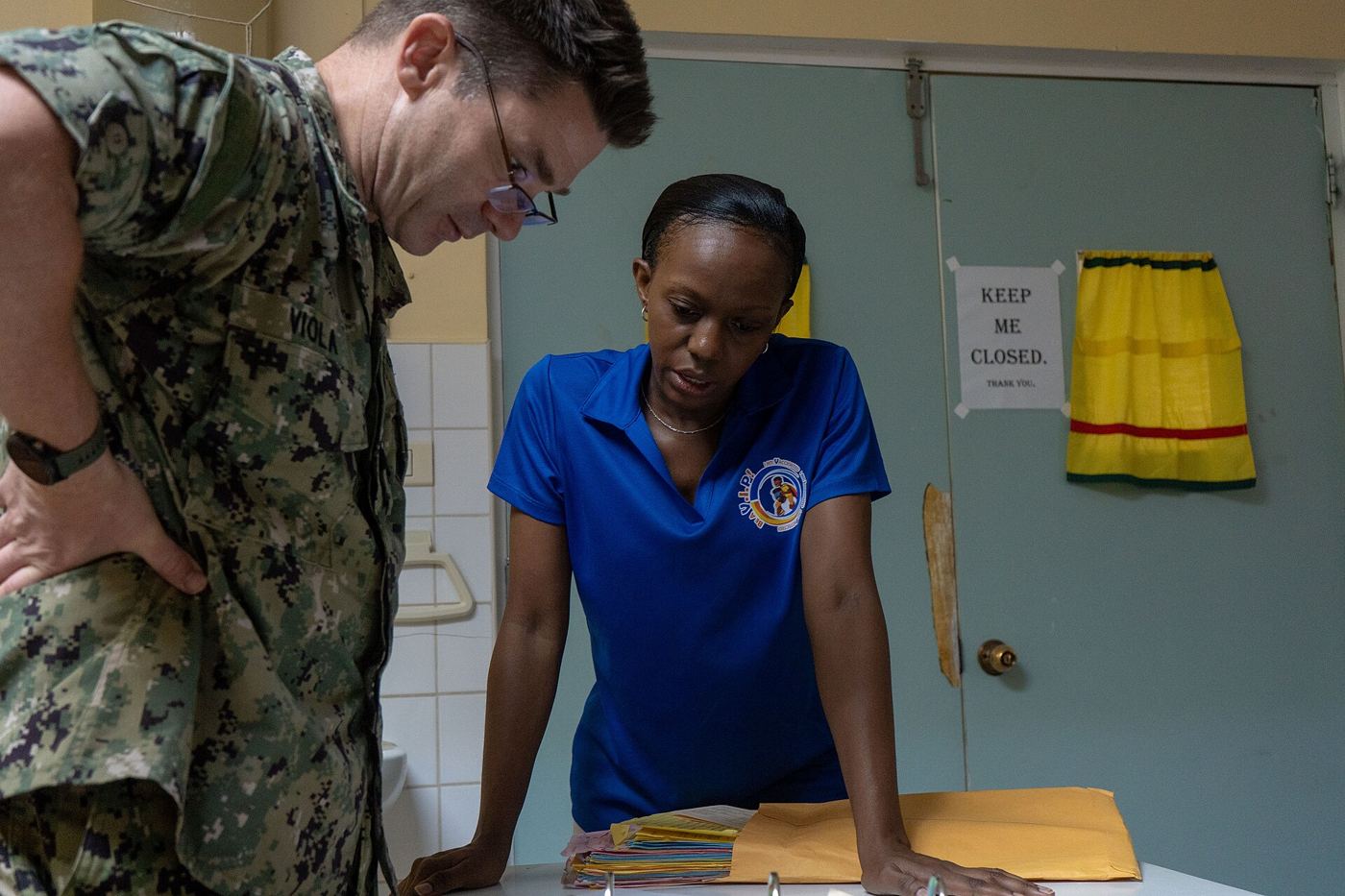
A short symptom diary can transform a brief winter appointment with a family doctor, especially when coughs, fevers, and sore throats all feel similar after several tired days. Noting when symptoms began, how temperatures changed, what medicines were already tried, and whether eating, drinking, and sleep have been affected gives the doctor a clear timeline within minutes. Patients are also encouraged to bring a list of regular medicines, allergies, and long term conditions, because winter infections can interact with treatments for asthma, diabetes, or heart problems. Doctors say this preparation does not need to be perfect; even a few honest notes on a phone are far more helpful than guessing under pressure. Reception teams say patients who arrive with notes are also easier to triage correctly, because the urgency of the problem becomes clear much more quickly.
What the Evidence Shows
During the consultation, that timeline helps the doctor judge whether an illness is following a typical viral course or showing signs that need examination, testing, or a different plan. It also leaves more time to discuss recovery at home, warning signs to watch for, and when to seek help again if things change. Families with young children can note fluid intake and wet nappies, details doctors rely on when assessing babies. Clinicians ask patients to mention the one concern worrying them most, even if it seems small, so it is addressed before they leave. A well used ten minutes, they say, can prevent a second visit later in the week. Doctors add that honesty about missed doses, home remedies, or worries found online helps them give safer advice, and no one should feel embarrassed mentioning them. Reporting and analysis from sources such as World Health Organization track the same developments, and specialists following preparing for a winter doctor visit say the direction is now consistent across independent lines of evidence.
The Wider Context
The wider context is a health system trying to move from treating illness late to preventing it early, against budgets that reward the opposite. Evidence around preparing for a winter doctor visit is being weighed by guideline committees that ask two questions in order: does it work, and can ordinary services actually deliver it at scale. Many good ideas pass the first test and stall on the second.
What Happens Next
What happens next for preparing for a winter doctor visit depends on the slow machinery of guidelines, funding and training catching up with the evidence. Patients asking about it today should expect honest answers that include uncertainty, and clinicians say a service that explains what is not yet known earns more trust than one that oversells. The research pipeline, at least, is moving in the right direction. You can follow related developments in our coverage of health.
There is a practical lesson in all of this for readers deciding what to do today. Start with the verified facts, be wary of anyone promising certainty, and prefer reversible steps while the evidence is still developing. Circumstances differ by country, income and personal situation, so general guidance should always be weighed against your own context before you act on it in any significant or lasting way.