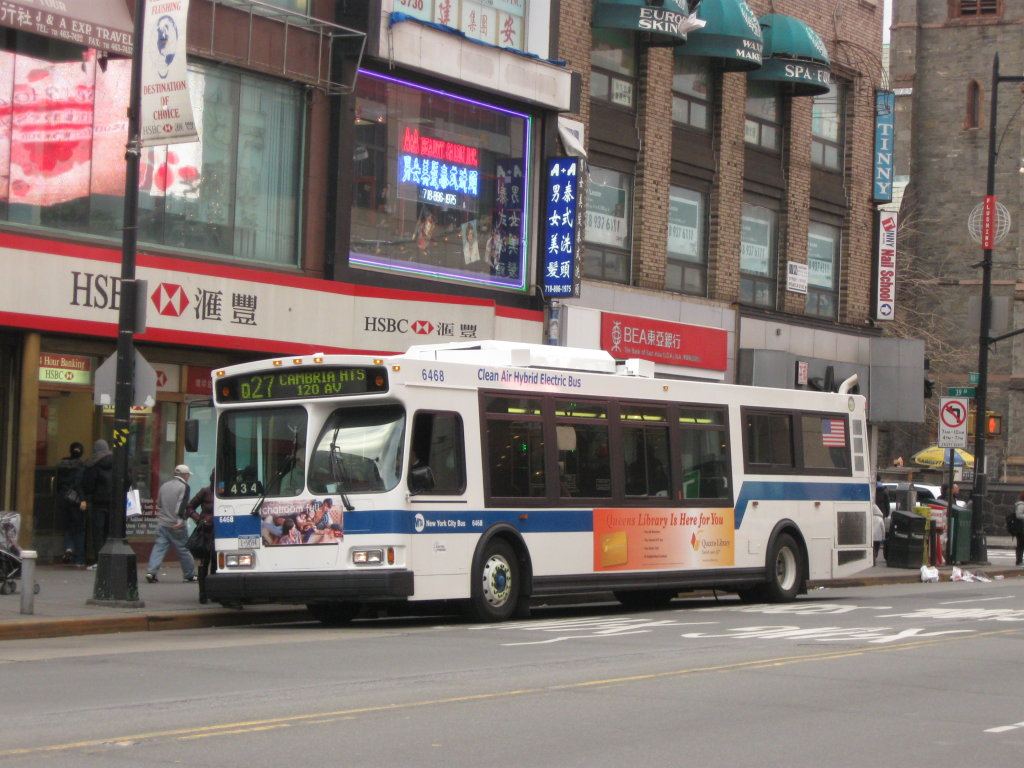
Bus safety cameras are being fitted across more city fleets after trials showed they help investigators, drivers, and passengers understand exactly what happened during near misses and collisions. The newest systems record the road ahead, the driver area, and the passenger saloon, with footage stored securely and reviewed only after an incident or a formal complaint. Transport officials say the cameras are not mainly about punishment. Clear recordings protect drivers from false claims, identify dangerous road layouts, and show where training or timetable pressure may be contributing to risky moments. Passengers surveyed in trial areas generally supported the rollout when privacy rules were explained clearly at stops and online.
What the Evidence Shows
Unions asked for firm guarantees before agreeing to the expansion, including limits on who can view footage, how long it is kept, and a ban on using it for routine monitoring of breaks or conversations. Operators have accepted those conditions and will publish regular reports on how often recordings are accessed. Road safety groups want the data used proactively, mapping repeated near misses at the same junctions so councils fix the layout rather than blaming individuals. Installation will continue route by route through next year. If the trial results hold, the cameras could become as standard on buses as seatbelts and mirrors already are today. Reporting and analysis from sources such as Associated Press track the same developments, and specialists following bus cameras clarify near misses say the direction is now consistent across independent lines of evidence.
The Wider Context
Regional and local reporting on bus cameras clarify near misses often tells a different story from national coverage, because the effects land unevenly: one town’s pilot is another’s distant proposal. Analysts who follow the subject full-time read the local data first, arguing that national averages conceal the variation that decides whether a policy or a project deserves to spread.
What Happens Next
The longer story of bus cameras clarify near misses is still being written by the people closest to it, whose experience rarely matches the earliest predictions of either supporters or critics. Reporting will continue to follow the evidence as it accumulates, including where it complicates today’s account. That is the deal serious coverage makes with its readers, and it holds for this subject as for any other. You can follow related developments in our coverage of news.
It is also worth remembering how quickly the picture in this area has changed before. Positions that looked settled a few years ago have been revised as new data arrived, and the same humility is appropriate now. The strongest coverage of this subject, and the most useful advice, tends to come from sources that update their views openly when the facts move, rather than defending an earlier position long after it has stopped fitting the evidence available.