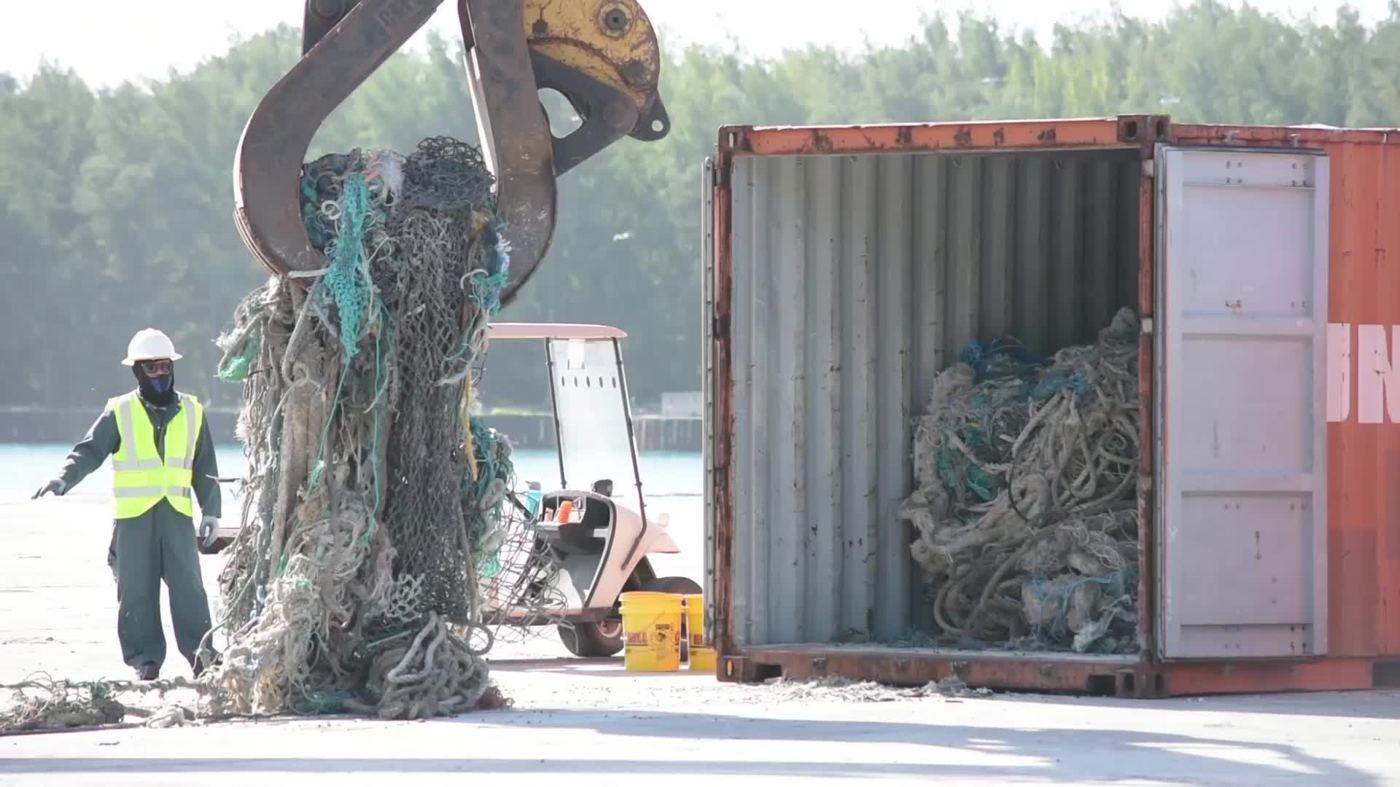
After years of talks, nations are close to a global treaty to cut plastic waste, an agreement that would set common rules for how plastic is made, used and thrown away. Plastic pollution has become one of the most visible environmental problems, with waste washing up on beaches, filling rivers and breaking into tiny particles found in soil, water and wildlife. The draft treaty would limit the production of the most harmful plastics, require more recycling and push companies to design packaging that can be reused. Negotiators say the hardest disagreements are over production caps, with oil-producing countries resisting limits on the raw material for plastic, and over who pays for the clean-up in poorer countries. Delegates have met repeatedly, and the latest round ended with a text that most sides say is workable, if not yet agreed. A final deal could be reached at the next session. Negotiators say the remaining gaps are narrow, though they also warn that a single disagreement could still delay the agreement.
What the Evidence Shows
The treaty matters because plastic pollution crosses borders, and no country can solve it alone. A bottle thrown into a river in one country can end up on a beach in another, and the tiny particles from broken-down plastic travel through the sea and the air. Businesses are watching the talks, since new rules on packaging will affect how they make and sell almost everything. Some companies have already started to change, cutting single-use plastic and switching to refillable or compostable alternatives, while others warn that substitutes can be costly or less practical. Environmental groups say the treaty must be strong, with binding targets rather than voluntary promises, or it will change little. If the agreement is signed, it would be the most important environmental deal since the Paris climate accord. Reporting and analysis from sources such as Associated Press track the same developments, and specialists following global plastic waste treaty say the direction is now consistent across independent lines of evidence.
The Wider Context
Regional and local reporting on global plastic waste treaty often tells a different story from national coverage, because the effects land unevenly: one town’s pilot is another’s distant proposal. Analysts who follow the subject full-time read the local data first, arguing that national averages conceal the variation that decides whether a policy or a project deserves to spread.
What Happens Next
The longer story of global plastic waste treaty is still being written by the people closest to it, whose experience rarely matches the earliest predictions of either supporters or critics. Reporting will continue to follow the evidence as it accumulates, including where it complicates today’s account. That is the deal serious coverage makes with its readers, and it holds for this subject as for any other. You can follow related developments in our coverage of news.
It is also worth remembering how quickly the picture in this area has changed before. Positions that looked settled a few years ago have been revised as new data arrived, and the same humility is appropriate now. The strongest coverage of this subject, and the most useful advice, tends to come from sources that update their views openly when the facts move, rather than defending an earlier position long after it has stopped fitting the evidence available.