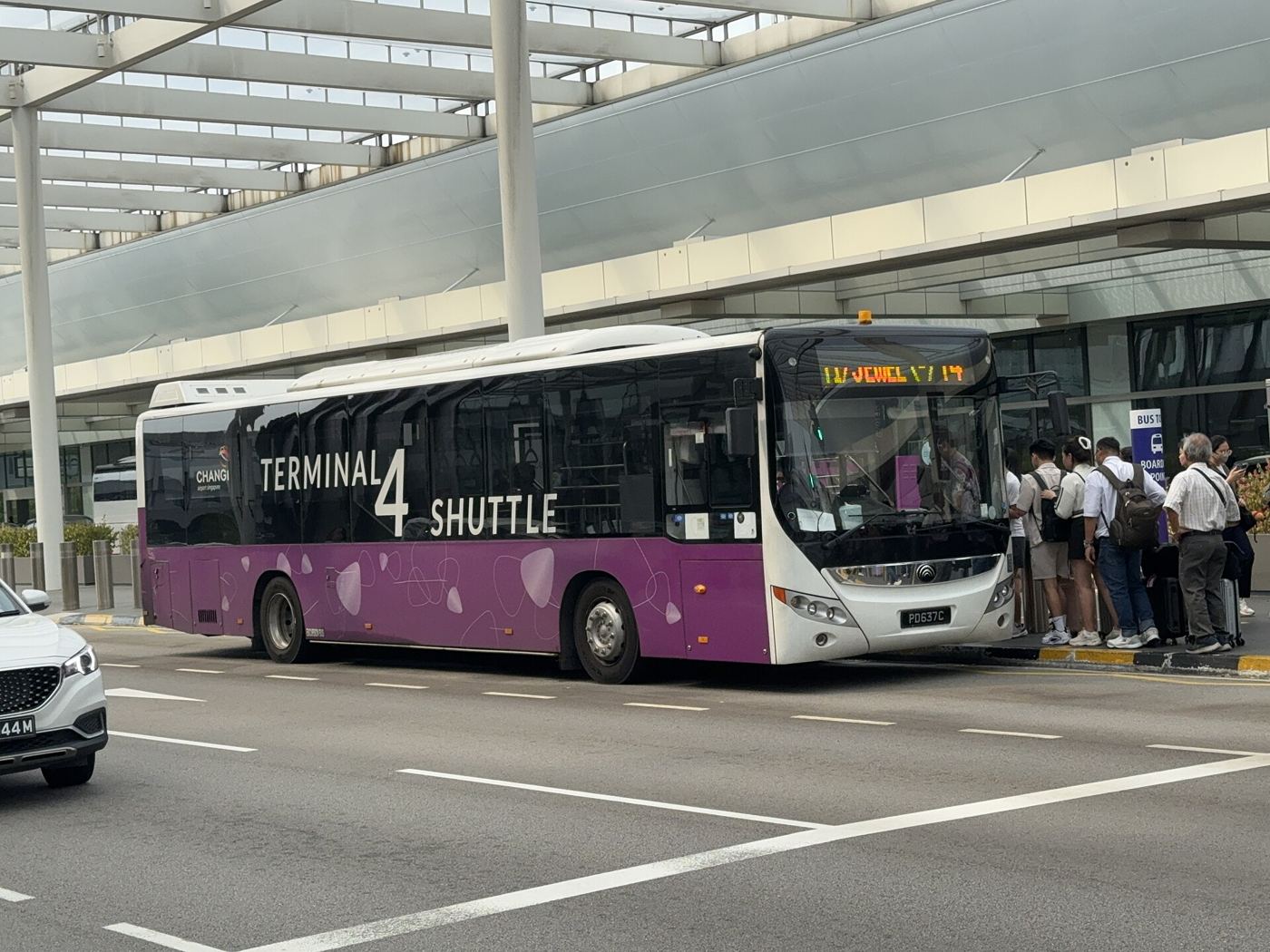
Airports are expanding shuttle bus services as passenger numbers recover, with more travellers looking for reliable and affordable ways to reach terminals without driving or paying for expensive parking. Shuttle services connect car parks, hotels, train stations and nearby towns to the airport, and operators say demand has grown sharply as leisure and business travel return to pre-pandemic levels. Some airports are adding routes, increasing frequency and introducing electric buses to cut emissions, while others are working with local transport authorities to coordinate timetables with arriving flights. For passengers, a good shuttle service can make the difference between a stressful journey and a smooth one, particularly for early morning or late night flights when other transport options are limited. Airport managers say the investment also helps reduce congestion around terminals, since fewer cars need to drop off passengers at the kerb.
What the Evidence Shows
The expansion is part of a wider rethink of how passengers reach airports. Several airports are redesigning drop-off areas to separate buses, taxis and private cars, easing the bottlenecks that build up at peak times. Real-time tracking apps now let travellers see exactly when the next shuttle will arrive, and some services offer booking in advance with guaranteed seats during busy periods. Operators are also investing in accessibility, with low-floor buses, space for wheelchairs and assistance for passengers with reduced mobility. Environmental goals are shaping the fleets, with electric and hybrid buses replacing diesel vehicles on many routes. Challenges remain, including driver shortages and the cost of running services through the night, but airport managers say the demand is clear. As passenger numbers continue to rise, shuttle services are becoming a central part of the airport experience rather than an afterthought. Reporting and analysis from sources such as Associated Press track the same developments, and specialists following airport shuttle services say the direction is now consistent across independent lines of evidence.
The Wider Context
Regional and local reporting on airport shuttle services often tells a different story from national coverage, because the effects land unevenly: one town’s pilot is another’s distant proposal. Analysts who follow the subject full-time read the local data first, arguing that national averages conceal the variation that decides whether a policy or a project deserves to spread.
What Happens Next
The longer story of airport shuttle services is still being written by the people closest to it, whose experience rarely matches the earliest predictions of either supporters or critics. Reporting will continue to follow the evidence as it accumulates, including where it complicates today’s account. That is the deal serious coverage makes with its readers, and it holds for this subject as for any other. You can follow related developments in our coverage of news.
It is also worth remembering how quickly the picture in this area has changed before. Positions that looked settled a few years ago have been revised as new data arrived, and the same humility is appropriate now. The strongest coverage of this subject, and the most useful advice, tends to come from sources that update their views openly when the facts move, rather than defending an earlier position long after it has stopped fitting the evidence available.